
music therapy and the brain
There are moments when words don’t reach what you’re feeling.
You might not have the language for it.
You might not even understand it yourself.
But then a song plays — and something shifts.
Your breathing changes.
Your chest softens.
Tears come without explanation.
This isn’t magic.
And it isn’t coincidence.
There’s a neurological reason music can reach emotional spaces that conversation sometimes can’t.
This article explores music therapy and the brain: why sound can heal the soul, what research currently shows (as of February 2026), and how music can support emotional regulation and healing — without replacing therapy or overstating its power.
The Emotional Question This Article Answers
How does music therapy affect the brain — and why can sound feel healing on such a deep emotional level?
This is not about “just listening to happy songs.”
It’s about understanding how structured, intentional use of music can support:
- Emotional regulation
- Trauma recovery
- Anxiety reduction
- Mood stabilization
- Nervous system calming
And where its limits are.
What Is Music Therapy (And What It’s Not)?
Music therapy is a clinically informed practice led by trained professionals who use music-based interventions to support mental health, emotional processing, and cognitive functioning.
It can include:
- Guided listening
- Songwriting
- Lyric analysis
- Instrument play
- Rhythm work
- Vocal expression
According to NAMI, music therapy is evidence-based and used in hospitals, mental health clinics, trauma recovery programs, and neurological rehabilitation settings.
It is not:
- A playlist recommendation
- A quick mood hack
- A replacement for psychotherapy
- A universal solution
It is a structured therapeutic modality.
How Music Therapy Affects the Brain
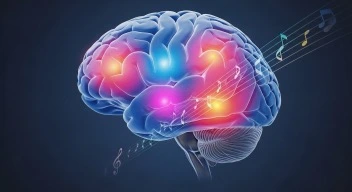
Music is one of the few stimuli that activates multiple brain regions at once.
Research summarized by the National Institute of Mental Health and other neuroscience bodies shows that music can engage:
- The amygdala (emotion processing)
- The hippocampus (memory integration)
- The prefrontal cortex (decision-making and regulation)
- The reward system (dopamine pathways)
- The motor cortex (rhythm and movement)
When music is structured therapeutically, it can help coordinate these systems in ways that support emotional regulation.
That’s why a melody can sometimes unlock feelings that talking alone cannot.
Why Music Can Reach Trauma That Words Can’t

Trauma is often stored in sensory memory — not just narrative memory.
That means:
- Smells
- Sounds
- Rhythm
- Tone
Can trigger or soothe responses.
Music therapy works partly because rhythm can help regulate the nervous system.
Studies in trauma-informed care suggest that slow, predictable rhythm can support parasympathetic activation — the part of the nervous system responsible for calm and restoration.
This connects closely to themes explored in Why Letting Your Guard Down Feels Dangerous After Trauma, where safety is re-learned through bodily experience, not just insight.
Music provides patterned safety.
The Role of Dopamine and Emotional Reward
When you listen to music you find meaningful, your brain may release dopamine — a neurotransmitter associated with reward and motivation.
This doesn’t mean music “cures depression.”
But it can:
- Interrupt emotional numbness
- Increase engagement
- Reduce isolation
- Support mood stabilization
The World Health Organization recognizes creative arts therapies, including music therapy, as supportive tools within broader mental health treatment plans.
Music does not replace therapy.
It can complement it.
Why Sound Regulates the Nervous System
The nervous system responds to:
- Tempo
- Volume
- Repetition
- Frequency
Slow, predictable music can help regulate breathing and heart rate.
Fast, chaotic sound may increase arousal.
This is why music therapy isn’t random. It’s intentional.
Trained therapists assess:
- Emotional state
- Trauma history
- Sensory sensitivity
- Cultural background
Music is selected or created accordingly.
A Gentle Pause
A Few Words for This Moment
There are feelings
that don’t line up in sentences.
Sometimes they hum instead.
And in that quiet vibration,
your body remembers how to soften.
Can Music Therapy Help Anxiety?
Research suggests music therapy may reduce anxiety symptoms in certain populations, especially when integrated into structured care.
It may help:
- Slow breathing
- Reduce heart rate
- Improve sleep quality
- Decrease rumination
However, results vary.
Music that soothes one person may overstimulate another.
That’s why therapeutic guidance matters.
If anxiety is a recurring theme for you, pairing music with grounding practices can be more effective than music alone.
Can Music Therapy Help Depression?
Some studies indicate music therapy may improve mood and engagement in people with depressive symptoms, particularly when sessions involve active participation (like songwriting or drumming).
It may support:
- Emotional expression
- Social connection
- Motivation
- Self-esteem
But it is not a standalone treatment for major depressive disorder.
Comprehensive care may include therapy, lifestyle changes, and in some cases medication under medical supervision.
Music supports.
It does not substitute.
What Happens in a Real Music Therapy Session?

Sessions vary, but may include:
- Discussing emotional themes in lyrics
- Creating a song to process experiences
- Playing rhythm instruments to regulate energy
- Using music to explore identity
Music therapy can be individual or group-based.
Some trauma programs use drumming circles to build rhythm-based regulation and connection.
Others use lyric analysis to help clients articulate emotions indirectly.
Who This Article Is For
This article may help if:
- You feel emotionally blocked
- Talking therapy feels difficult
- Music moves you deeply
- You’re curious about creative healing tools
Who This Article Is Not For
This article is not:
- A replacement for therapy
- A prescription
- A guarantee of symptom relief
If you are in acute crisis or experiencing severe symptoms, professional care is essential.
How to Use Music Intentionally (Without Formal Therapy)
While clinical music therapy requires a trained professional, you can approach music more intentionally in daily life:
- Notice how different genres affect your body
- Use slow rhythm for grounding
- Avoid music that increases agitation
- Journal after listening
You may also explore emotional processing alongside reflective pieces like Why Self-Compassion Feels Hard After Trauma (Build Self-Love) if music brings up unexpected feelings.
Music can open doors — self-compassion helps you walk through them safely.
Common Questions People Ask
Is music therapy evidence-based?
Yes. It is supported by peer-reviewed research and recognized by professional organizations.
Does listening to music count as music therapy?
Not exactly. Casual listening can help mood, but music therapy involves structured clinical intervention.
Can music trigger trauma?
Yes. Certain songs can activate emotional memories. Working with a trained therapist reduces this risk.
Is music therapy only for children?
No. It is used with adults, older adults, trauma survivors, and neurological patients.
Short FAQ
How long does music therapy take to work?
Results vary. It depends on goals and individual differences.
Is music therapy covered by insurance?
Coverage varies by provider and location.
Do I need musical talent?
No. Participation matters more than skill.
The Bottom Line: Sound as a Bridge, Not a Cure

Music therapy and the brain are deeply connected.
Sound can:
- Regulate the nervous system
- Activate emotional memory
- Increase dopamine
- Support expression
But music does not fix everything.
It creates openings.
If you’ve ever felt something shift inside when a song plays, that experience is valid.
Healing is complex.
Music can be part of the landscape.
Find stories of healing, hope, and growth at AllMentalIllness.com — your space for better mental health.
Our Authority Sources
- American Music Therapy Association
Clinical standards and research summaries on music therapy practices - National Institute of Mental Health
Neuroscience and mental health research - World Health Organization
Mental health and creative arts therapies overview - National Center for Biotechnology Information (Peer-Reviewed Studies)