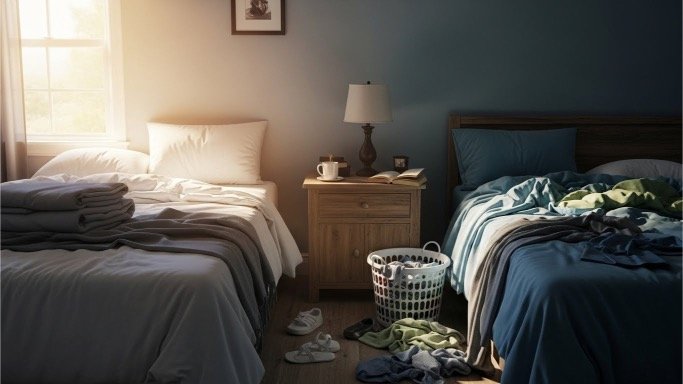
Are you a bed-maker
Some people spring out of bed like they’re starring in a toothpaste commercial — bright smile, smooth sheets, bed made tight enough to bounce a coin off.
Others hit snooze seven times, cocoon themselves under the blankets, and only emerge when the final alarm threatens their entire future.
And then there are hybrids — the “I make my bed… unless I don’t feel like being that person today” crowd.
Whichever one you are, here’s the fun part:
Your morning behavior may say something real about your personality, emotional wellness, stress levels, and even the way you make decisions.
Not everything needs to be that serious — this is a light, playful exploration, not a psychological diagnosis. But the patterns are surprisingly fascinating.
Let’s dive into the gentle, slightly silly, very human world of bed-makers vs. snoozers, and what these habits may reveal about the way you move through life.
1. Bed-Makers: The “Let’s Get Life Together” Personality Type
Bed-makers usually fall into a few common personality themes.
(Not all at once. And definitely not all the time. We’re humans, not IKEA manuals.)
1.1 They Enjoy Order — Even a Little Bit of It
People who make their beds often feel more grounded when their environment looks peaceful.
It’s their way of saying:
“If the world is chaos, at leaFor more gentle structure ideas, brst this one rectangle is under control.”
Psychologists note that creating order in a small space can boost mood, reduce stress, and help regulate emotions.
Read this great resource showing how small routines impact nervous system balance: Harvard Health – How Your Brain Responds to Order
1.2 They Like Completion — Tiny Accomplishments Count
Making the bed = mini dopamine hit.
Yes. Really.
Starting the day with one completed task sets up a subtle “I’m doing okay today” momentum.
This is especially helpful for people managing anxiety — small structure can create emotional stability.
For related reading, check out Positive Affirmations for Self-Love – Reprogram Your Mind
1.3 They Feel Better When Their Space Feels Nurturing
A made bed can feel like “home,”
and this simple act often reflects someone who values coziness, mindfulness, and calm energy.
But let’s be clear: Liking tidy sheets does NOT mean they’re “more responsible” than snoozers. This is preference, not superiority. No bed-shaming here.
2. Snoozers: The Cozy Rebels With a Soft Spot for Comfort
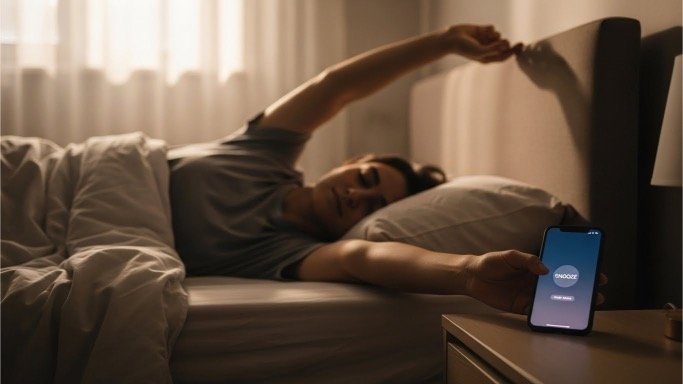
Now for the other side of the blanket.
Snoozers — the heroes of “five more minutes” — tend to share a different set of personality themes.
2.1 They Prioritize Comfort Over Routine
Snoozers often make decisions based on how things feel, not how things look.
They listen closely to their body, energy levels, and mood.
This isn’t laziness.
It’s sensitivity to emotional and physical cues.
2.2 They Tend to Be Creative or Free-Spirited
Many creatives — writers, artists, empaths — don’t operate in rigid morning structure.
Their minds wander in curves, not straight lines.
If you’re a snoozer and also express yourself through writing, music, drawing, or movement, you’re not alone.
This aligns beautifully with the free-flow emotional expression in: 10 Rhyming Self-Love Poems to Heal Your Spirit
2.3 They’re Often Night Thinkers
Snoozers frequently get bursts of clarity or creativity at night.
Bed-makers usually recharge from morning structure.
Different rhythms — same worth.
2.4 Snoozing Can Be Stress-Related Too
Sometimes snoozing isn’t a personality…
It’s a burnout in disguise.
If you’re constantly hitting snooze because sleep doesn’t feel refreshing, consider checking your:
- stress levels
- mental workload
- emotional fatigue
Music can help regulate mood upon waking: Positive Words in Songs & Your Mental Health
Want to know if your are a bed-maker or a snoozer? Take this Quiz , it’s fun!
3. What These Habits Reveal About Emotional Wellness
Here’s where the playful exploration meets real psychology.
Neither habit is “good” or “bad.” They simply reflect how your mind manages energy, expectations, and emotions.
Let’s break it down.
Bed-Maker Traits (Emotionally Speaking)
- Likes emotional predictability
- Finds comfort in routine
- Uses environment to regulate anxiety
- Enjoys starting the day with a feeling of control
- Often thrives on structure
- Gets grounding from visual order
Possible emotional strengths:
✔ stability
✔ consistency
✔ follow-through
✔ calming presence
Possible emotional challenges:
• pressure to be productive
• guilt when things feel “messy”
• fear of feeling “behind”
Snoozer Traits (Emotionally Speaking)
- Listens to body cues
- Emotion-driven decision-making
- More spontaneous than structured
- May struggle with morning energy
- Often introspective and creative
Possible emotional strengths:
✔ empathy
✔ imagination
✔ adaptability
✔ intuitive awareness
Possible emotional challenges:
• trouble with morning anxiety
• difficulty creating routines
• feeling overwhelmed by responsibilities
4. The Hidden Psychology Behind Bed-Making (Yes, There Is Some)
According to sleep and behavioral studies:
- People who make their beds report slightly higher levels of daily satisfaction
- They often feel “capable” sooner in the morning
- They experience a subconscious sense of completion
- Bed-making can reduce morning cortisol spikes
Reference: Psychology Today – How Your Environment Affects Your Mind
But again — this does NOT mean non-bed-makers are less emotionally well.
It means they regulate stress differently.
Some people need structure. Others need softness.
Both are valid.
5. The Gentle Science Behind Snoozing (It’s Not Laziness)
Let’s clear something up:
Snoozing does not mean you’re “unmotivated.”
It often means:
- Your brain is overstimulated
- You’re mentally tired
- You experience delayed sleep/wake transitions
- Your nervous system prefers slower mornings
Night owls often have a natural biological rhythm that makes mornings harder.
And people experiencing emotional overwhelm may need more warmth and comfort to face the day.
If music helps you get up, learn how lyrics influence mood here: Negative Words in Songs & Your Mental Health
6. What If You’re Both? (The Hybrid Personality)
Ah, the adorable middle ground.
Some people make their beds on days they feel centered…
and snooze on days they feel human.
These people tend to:
- adapt smoothly to stress
- follow emotional intuition
- avoid rigid self-judgment
- know when they need structure
- know when they need softness
Hybrids are flexible, self-aware, and balanced.
This group is often the happiest psychologically because they honor both needs: order and comfort.
7. How to Work With Your Habit (Not Against It)
Instead of forcing yourself to change, try this:
If you’re a bed-maker:
- Allow occasional rest days
- Don’t tie self-worth to productivity
- Create small “micro-rests” throughout the day
If you’re a snoozer:
- Add gentle cues instead of strict alarms
- Prepare uplifting music the night before
- Give yourself permission to wake up slowly
If you’re a hybrid:
- Celebrate your flexibility
- Let each day set its own tone
- Keep morning routines adaptable
Both types can benefit from gentle creative self-care such as: Healing Through Creativity: How Does Art Free the Mind
8. The Personality Snapshot — Just for Fun
Here’s a lighthearted chart — take it with laughter, not literal science:
| Type | Personality Vibe | Emotional Superpower |
| Bed-Maker | Organized sunflower | Calm, stable grounding |
| Snoozer | Cozy moonbeam | Deep intuition |
| Hybrid | Daylight cloud | Emotional adaptability |
No type is “better.”
They’re simply different styles of being human.
And all of them can be emotionally healthy.
The bottom line — Your Bed Says Something, But Not Everything
Whether you’re a champion bed-maker or the proud CEO of Snooze Button International, your habits tell a story, not a verdict.
They offer gentle clues about how you:
- process emotions
- regulate stress
- create comfort
- express personality
- move through mornings
But they don’t define your worth.
Morning habits are tiny windows into the bigger picture of who you are — someone growing, learning, and doing the best they can in a noisy world.
And whichever habit you have… you’re doing just fine.
You will also like the take the quiz here