How can dance increase your self-esteem
Have you ever noticed how music changes everything—the way you breathe, how you hold your shoulders, even the rhythm of your thoughts?
When you start to move with that music, something shifts deeper.
Dance stops being choreography and becomes conversation: your body finally speaking the words your mind has been holding in.
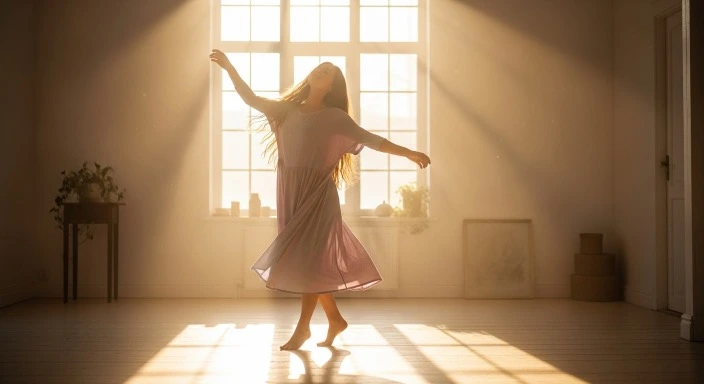
Dance isn’t about performance or perfection. It’s a form of self-expression and self-acceptance. Every sway, stretch, and stumble can help you reclaim your body as home again.
Through dance, you remember: you are alive, capable, and worthy—exactly as you are.
In this post, we’ll explore how dance supports self-love, confidence, emotional healing, and inner worth, and how anyone—regardless of age or skill—can use movement as gentle therapy.
1. Dance Connects You Back to Your Body
How can dance increase your self-esteem

How can dance increase your self-esteem
In moments of stress or trauma, we often disconnect from our bodies. We shrink, numb out, or over-analyze.
Dance re-opens that conversation. When you sway, spin, or simply tap to rhythm, you begin to feel again instead of think.
A study from the Frontiers in Psychology journal found that body movement increases self-awareness and activates neural pathways related to joy and motivation.
That’s why, after dancing—even alone—you often feel lighter, freer, and somehow more yourself.
Read our article: Healing Through Creativity: How Does Art Free the Mind — it explains how all creative acts, including movement, release emotional tension and awaken clarity.
2. Movement Releases Emotions That Words Cannot
Sometimes, emotions live in muscles long after we’ve forgotten the story.
Tight shoulders, clenched jaws, or shallow breathing can all hold unspoken pain.
Dance becomes a gentle exhale—one your body performs even before your mind understands why.
Whether it’s ballet, hip-hop, or quiet stretching in your bedroom, movement allows grief, anger, or joy to surface and leave safely.
In dance therapy, practitioners call this “somatic release”—healing that starts in the body and travels inward.
Pair this concept with the self-soothing power of words in 10 Self-Love Quotes That Will Heal Your Heart and Soothe Your Soul. Together, they form a full circle of creative healing—movement and meaning intertwined.
3. Dance Improves Confidence Through Embodied Presence
How can dance increase your self-esteem
How can dance increase your self-esteem
How can dance increase your self-esteem
Confidence isn’t built by forcing self-belief; it grows through experiences that make you feel capable.
Each time you move, mirror, and express without judgment, you teach your body: I belong here.
When you learn a step, or even create your own rhythm, your posture changes. You stand taller. You take up more space.
And each movement whispers a truth stronger than any affirmation—“I am allowed to exist fully.”
the NIH’s research on movement and self-esteem reveals dance/movement therapy improves psychological and physical outcomes in cancer patients.
4. Dance as Mindful Meditation
Not all meditation needs stillness.
Dance can become a moving meditation, aligning breath, rhythm, and emotion.
Close your eyes. Feel the beat. Move slowly with each inhale and exhale.
Notice how, within minutes, your thoughts loosen and your focus shifts from judgment to presence.
Mindful dance encourages you to listen rather than perform. It reminds you that peace can be found mid-motion, not only in silence.
Harvard Health — Mindfulness and Movement shows how rhythmic activity helps regulate mood and lowers cortisol.
5. Body Positivity Through Movement Acceptance
When you dance, there’s no “perfect shape.” Every curve, stretch, and sway has value.
In a world obsessed with comparison, dance teaches appreciation—for muscles that carry you, lungs that breathe, and feet that have walked through so much.
Your body stops being an object to fix and becomes a partner to celebrate.
This shift from judgment to gratitude is one of the strongest acts of self-love there is.
For further inspiration, read Beautiful Mental Health Tattoos to Inspire Healing. Both art and dance transform the body into a living canvas for self-expression.
6. Dance Builds Community and Belonging
Many people battling low self-esteem also struggle with isolation. Group dance—whether salsa class or free-flow circle—creates connection.
When you move among others, you share rhythm instead of words.
This non-verbal bonding releases oxytocin (the trust hormone) and reminds you that you are part of something larger.
Belonging is one of the fastest ways to restore self-worth, especially for those healing from social anxiety or rejection.
If group settings feel intimidating, start with online tutorials or mirror practice at home—confidence grows quietly before it blooms publicly.
7. Healing Trauma Through Safe Movement
How can dance increase your self-esteem
How can dance increase your self-esteem
Trauma often lives in the body long after memories fade.
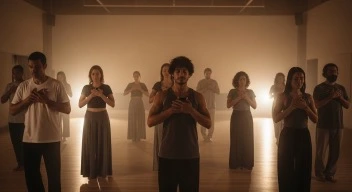
Dance movement therapy, used in clinics and counseling settings, helps survivors reconnect with safety by moving at their own pace.
Slow, repetitive gestures tell the nervous system, you’re safe now.
Over time, the body learns it can exist in the present without reliving the past.
A 2023 study in Frontiers in Psychology confirmed that expressive movement significantly reduces trauma symptoms and increases body-trust in participants with PTSD histories.
For a creative complement, visit Positive Affirmations for Self Love – Reprogram Your Mind and integrate affirmations into your dance sessions for deeper impact.
8. Dance Ignites Joy and Playfulness
Healing doesn’t always have to feel heavy.
Dance is one of the simplest ways to reintroduce joy into recovery.
It reminds you that life isn’t just about surviving—it’s about moving again.
When you laugh mid-twirl or mess up a step and keep going, you practice resilience.
Every playful mistake teaches your brain flexibility and self-forgiveness.
Joy is not superficial—it’s a sign of safety returning to the system.
9. Using Dance as Daily Self-Care
You don’t need a class or choreography to feel the benefits.
Try this nightly ritual:
- Play one gentle song you love.
- Let your body move freely for three minutes.
- End with deep breathing and gratitude for what your body just did.
This simple practice grounds your emotions and reconnects your body and mind after long, overstimulated days.
Combine it with journaling or art afterward to process what surfaces—movement followed by reflection doubles the healing effect.
10. Dance Teaches You to Celebrate Yourself
The ultimate act of self-love is celebration—not waiting for permission to feel proud.
Dancing alone in your living room to your favorite song is a rebellion against shame.
Each motion says:
“I choose joy today. I choose me.”
As you move, you reclaim rhythm from the world’s noise and make it your own.
That rhythm becomes a heartbeat of worth—a steady reminder that you are enough right now.
Reflection — The Body Remembers What the Heart Forgets
Dance heals because it speaks directly to the body’s memory.
Every gentle sway, every deep breath re-teaches your nervous system how safety feels.
Over time, confidence, love, and worth stop being ideas—and start being felt realities.
You don’t need to dance well. You just need to move truthfully.
Whether that’s twirling in your kitchen or stretching before bed, it all counts as love returned to yourself.
The Bottom Line — Your Body Is Your First Home
The journey of self-worth begins where you already are: in your skin, in motion, in breath.
Dance isn’t about impressing—it’s about remembering.
Remembering that your body is not your enemy. It’s the instrument through which you feel, express, and connect.
So tonight, put on your favorite song.
Close your eyes.
And let movement become the most honest “I love you” you’ve ever given yourself.
Find more reflections on creative healing and emotional growth at AllMentalIllness.com — your space for hope, art, and gentle recovery.
How can dance increase your self-esteem