You don’t need to believe in magic to feel it.
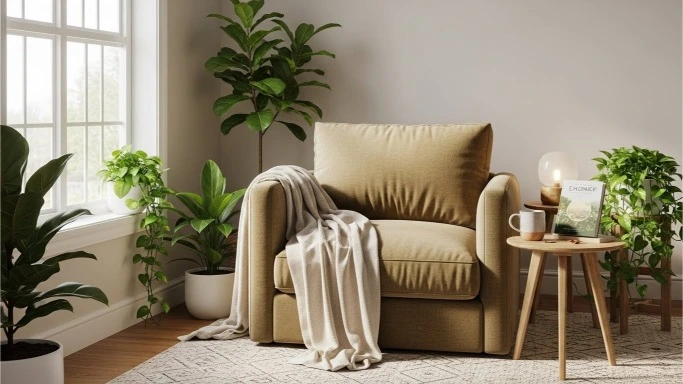
You walk into a room with plants, and something shifts.
Your shoulders drop.
Your breath slows.
The space feels calmer—almost kinder.
That reaction isn’t imagined.
Indoor plants genuinely affect how your brain and body feel, especially when you’re stressed, anxious, overwhelmed, or emotionally drained. And the best part? You don’t need a green thumb or a jungle-sized living room to feel the benefits.
Let’s break down why indoor plants instantly make you feel better, what science actually says, and how to use plants as gentle mental-health support—without pressure or perfection.
Why Humans Feel Better Around Plants (Even Without Realizing It)
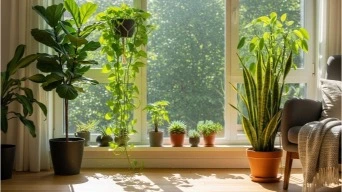
Humans didn’t evolve surrounded by screens and concrete.
We evolved around trees, soil, sunlight, and greenery.
When you bring plants indoors, your nervous system recognizes something familiar—even if your conscious mind doesn’t. Psychologists call this biophilia, the natural human tendency to feel connected to living things.
According to the American Psychological Association, exposure to natural elements can lower stress levels, improve mood, and support emotional regulation.
Your brain interprets plants as safe, non-threatening life. That signal matters more than we realize.
Plants Help Calm Your Nervous System Almost Immediately
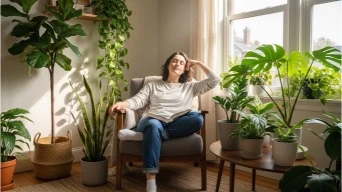
One of the biggest reasons indoor plants make you feel better is how they interact with your stress response.
When you’re anxious or overwhelmed, your nervous system stays in “alert mode.” Plants help interrupt that cycle.
Research shows that simply looking at greenery can:
- Lower heart rate
- Reduce muscle tension
- Decrease cortisol (the stress hormone)
- Improve emotional balance
You don’t have to meditate or “try” to relax. The calming effect happens quietly in the background.
That’s why plants often feel comforting during difficult emotional periods.
Indoor Plants Reduce Mental Fatigue and Emotional Burnout
Mental fatigue doesn’t always feel dramatic.
Sometimes it shows up as:
- Brain fog
- Irritability
- Low motivation
- Emotional numbness
- Feeling overwhelmed by small tasks
Plants help restore attention capacity—your ability to focus without forcing yourself.
Studies shared by the Abundance Therapy Center suggest that natural elements help the brain recover from overstimulation.
In simple terms:
Plants give your mind a place to rest.
Why Plants Make Spaces Feel Safer and More Comforting
There’s a reason therapy offices, wellness spaces, and healing environments often include plants.
Plants soften harsh spaces.
They add:
- Visual warmth
- Organic movement
- A sense of care
- Gentle life energy
When your surroundings feel safe, your emotions follow.
This is especially helpful for people dealing with anxiety, depression, or emotional exhaustion. A space that feels alive can reduce feelings of isolation—without requiring social interaction.
Indoor Plants Can Improve Mood Without Requiring Conversation
Not all support needs words.
Plants provide non-demanding companionship. They don’t judge, interrupt, or expect anything from you.
For people who:
- Feel socially drained
- Struggle with loneliness
- Need emotional quiet
- Feel overstimulated
Plants offer presence without pressure.
This makes them especially powerful for mental health spaces and personal recovery environments.
Caring for Plants Creates Gentle Purpose (Not Pressure)
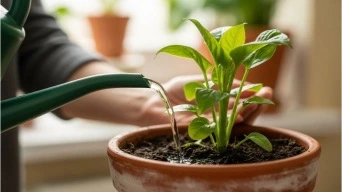
When life feels heavy, purpose can feel overwhelming.
Plants offer something different.
They ask for:
- Water
- Light
- Small, consistent care
That’s it.
No deadlines.
No emotional labor.
No expectations beyond basic care.
This gentle responsibility can:
- Restore routine
- Build confidence
- Create a sense of usefulness
- Offer quiet accomplishment
Psychologists often note that nurturing something living can support emotional healing—especially during periods of grief, depression, or burnout.
Plants Improve Air Quality (Which Affects How You Feel)
You may have heard that plants “clean the air.” While they’re not air purifiers, they do help in subtle ways.
The NASA Clean Air Study found that certain plants help reduce indoor air pollutants and improve humidity levels.
Better air quality can mean:
- Fewer headaches
- Less fatigue
- Improved sleep
- Easier breathing
And when your body feels better, your mental state often follows.
Why Plants Help Anxiety More Than We Expect
Anxiety often lives in the future.
Plants live entirely in the present.
When you water a plant or notice new growth, your attention shifts into now. That grounding effect matters.
Plants encourage:
- Mindful awareness
- Sensory engagement
- Slower pacing
Even noticing leaf texture or color can interrupt anxious thought loops.
This is one reason many people naturally place plants near desks, beds, or quiet spaces.
Indoor Plants Support Emotional Healing Spaces
People navigating emotional healing often need environments that feel:
- Stable
- Non-threatening
- Gentle
- Restorative
Plants help create that atmosphere.
That’s why they’re commonly used in:
- Therapy rooms
- Recovery spaces
- Meditation areas
- Personal reflection corners
If you’re building a calm space at home, plants are one of the simplest tools available.
You may also find helpful guidance in this Therapy & Mental Health Guidance section, where environment and emotional support are often discussed together.
Best Indoor Plants for Mental Well-Being (Low Stress Options)
You don’t need rare or demanding plants.
Some of the most emotionally supportive plants are also the easiest to care for.
Snake Plant
- Hardy and forgiving
- Improves air quality
- Thrives in low light
Pothos
- Fast growing
- Symbolizes resilience
- Easy to maintain
Peace Lily
- Softens emotional spaces
- Signals when it needs water
- Calming appearance
ZZ Plant
- Extremely low maintenance
- Ideal for beginners
- Thrives with minimal attention
The key is choosing plants that support you, not stress you.
How Many Plants Do You Need to Feel Better?
There’s no magic number.
For some people, one small plant is enough.
For others, several create a stronger effect.
Start small.
Let plants enhance your space—not overwhelm it.
Even a single plant placed intentionally can shift how a room feels emotionally.
Short FAQ: Indoor Plants & Mental Health
Do indoor plants really improve mental health?
Yes. Research links plants to reduced stress, improved mood, and better emotional regulation.
Can plants help anxiety and depression?
They can support emotional well-being by calming the nervous system and improving environment quality.
What if I’m bad at keeping plants alive?
Choose low-maintenance plants. The benefit comes from presence, not perfection.
Are fake plants helpful?
They offer visual comfort but lack the full sensory and emotional benefits of real plants.
Final Thoughts
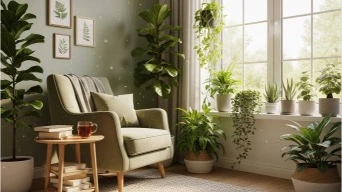
Small Green Changes Can Make a Big Emotional Difference
You don’t need a lifestyle overhaul to feel better.
Sometimes, healing starts with something small and alive sitting quietly nearby.
Indoor plants don’t replace therapy or support—but they can soften the journey, create emotional safety, and remind you that growth doesn’t have to be rushed.
If your space feels heavy, empty, or overwhelming, adding a plant might be a gentle place to begin.
Find stories of healing, hope, and growth at AllMentalIllness.com — your space for better mental health.